Strong grant proposals use relevant data to support the request for funding. You can spot an experienced grantseeker by how artfully they use data. The successful grant professionals I know are obsessed with data.
Effective programs are more than well designed and more than appropriately funded―they’re culturally competent. Truly effective programs are planned and operated with a high-level of respect for and sensitivity to the groups they’re intended to benefit.
Diapers to diplomas. That’s the unofficial mantra of Los Angeles Education Partnership (LAEP). Project Grantsmanship alum and Director of Development & Evaluation, Jennie Rosenbaum, is an advocate for students. She bridges the gap between nonprofits and schools: Nonprofits in education & youth development need schools and schools need the support of nonprofits, but these two groups don’t always work in alignment. With differing needs and visions, it can help to have a person who can straddle both camps.
Grantmakers are amazingly consistent in their definition of “capacity-building,” but grantseekers are often unsure of what fits into that category. Capacity-building grants are not about expanding an organization’s services, adding a new program, or renovating a building. They are about strengthening an organization’s infrastructure, management, and governance.
What does the term Social Enterprise remind you of? For me, I immediately go to Star Trek and the Starship Enterprise. But our Social Enterprise trainer and consultant, Rolfe Larson assures us that the term Social Enterprise has nothing to do with Star Trek.
Developing winning grant proposals requires a deep understanding of your organization. You’ve got to understand the organization’s capacity, expertise, and place in the community. You must be able to provide a concise, thorough overview of the organization, highlighting its fit with the proposed program.
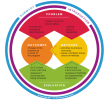
Logic models – charts that illustrate connections between program activities and outcomes – are great tools for planning programs to address community needs, but many nonprofits use them only to help explain a program they’ve already planned. That’s a backwards approach. You’re much more likely to have real impact on the problem your organization wants to address if you use a logic model to guide the planning process.
Fundraising and grant seeking are exhilarating opportunities to align new donors, corporations, and foundations with your mission. But before you can freely pursue these opportunities, there are certain government regulations with which your nonprofit must comply.
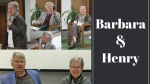
Barbara Floersch & Henry Flood co-lead the Grant Management Essentials training program. They both juggle many hats, and have many years of experience writing grant proposals and training grant pros. We wanted to get to know them a bit better—their grant wins and what they do when they aren’t training or consulting.