

|
|
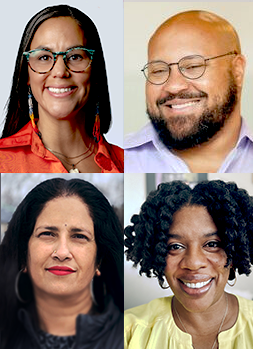
| Trainer for: Grantsmanship Training Program, Essential Grant Skills | |
Check out our training
GRANTSMANSHIP TRAINING PROGRAM
Get funding for your community.
In only 5 days learn to find funding and use the world's most successful grant proposal format. Learn by doing! Get expert guidance while you and a team write and review proposals. Novice or professional — sharpen your skillset and jumpstart your career.

Tight schedule & tighter budget?
This 2-day course concentrates the material of the 5-day Grantsmanship Training Program into bite-size info and exercises. Create key parts of a grant proposal for your own nonprofit and learn how to avoid pitfalls that plague even experienced proposal developers.
Ready to take your grant skills to the next level?
In 5 days, learn how to find federal grant opportunities that match the priorities of your organization and secure those federal funds. Create a concept paper. Get a wealth of resources and samples of winning proposals from government grantmaking agencies.
Effective grant administration is essential for your agency.
In this 2-day workshop, learn to manage grants so your organization is in full compliance. Examine critical legal and policy issues. Inspire funder confidence and avoid bad audits and disallowed costs. Examine real-world situations that grant managers confront every day.
SIGN UP FOR TRAINING
| Training | Date | LOCATION | |
|---|---|---|---|
| Grantsmanship Training Program | Apr 15 - Apr 19, 2024 | Online | |
| Essential Grant Skills | May 2 - May 3, 2024 | Online | |
| Competing for Federal Grants | May 6 - May 10, 2024 | Online | |
| Grantsmanship Training Program | May 20 - May 24, 2024 | Online | |
| Essential Grant Skills | May 30 - May 31, 2024 | Online |
Meet the Grantmakers-Online
BEST GRANT TEXTBOOK
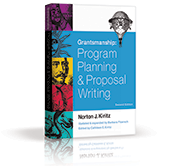
Grantsmanship: Program Planning & Proposal Writing rocked the world of philanthropy in 1972. Now expanded and updated, this colorful manual is loaded with clear instructions and concrete examples for planning and funding programs.
"Don’t buy one... buy two... and give a copy to someone who's struggling to raise funds. It will be a gift that will repay many, many times." – Bernard Ross, Director, The Management Centre
MEET THE TRAINERS
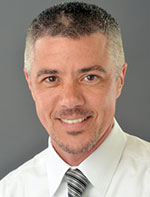
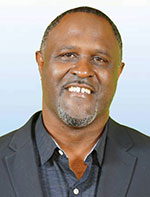


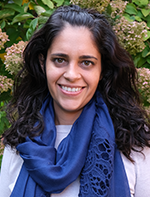
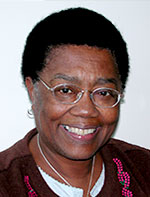
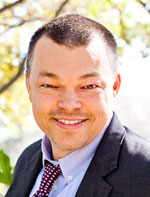

Project Grantsmanship
PROJECT GRANTSMANSHIP is a philanthropic partnership established in 2008 to strengthen small to medium-size, community-based organizations serving Los Angeles County. Through this project, our flagship grant development class, the Grantsmanship Training Program, is provided to qualifying nonprofits at a significantly reduced cost.
Is your organization eligible?
Underwriting for this project has been generously provided over its 15-year history by the Annenberg Foundation, California Community Foundation, Dwight Stuart Youth Fund, The Ralph M. Parsons Foundation, S. Mark Taper Foundation and The Grantsmanship Center.
Bring us to your community
Strengthen your organization, serve more clients, and empower your community.
Sponsor one of our grant courses or talk with us about creating a customized workshop for your nonprofit, community or academic organization or a specific target audience.
Front Page Resources
Get a head start with these quick, free resources
What is a Grant Proposal?
Grants as Advocacy, Not Just Asking
Most staff members in nonprofit organizations define a grant proposal as a request for money. That definition is only superficially correct. To achieve the best results for their constituents and move more surely toward their missions, nonprofits need to think of grant proposals in a different way.
First, nonprofits must consider grants from a funder’s point of view. For funders, a grant award is an investment in positive change. It’s a tool they use for having an impact on issues they care about.
Next, nonprofits must consider grants from a mission-focused perspective. Since the point of a grant award is impact rather than money, the real point of a grant proposal is to rally the necessary resources to help the nonprofit fulfill its purpose. A grant is a tool nonprofits use to address important issues within their communities.
Definitions matter, and defining grant proposals accurately can help both funders and nonprofits work together more productively. A grant proposal is actually a call to action. It’s a request that a funder join the nonprofit as a partner in achieving specific results. At its best, a grant proposal is a cogent, persuasive, well-supported argument for change.
This definition moves the work of grantseekers well beyond reactive dollar-chasing and into the realm of social activism. It’s no longer about supporting “our organization.” It’s about linking arms with colleague organizations, beneficiaries, community members, and funders to embrace a mission and confront the dragons.
Focusing on the articulation of a logical argument for action also means that the document you produce when seeking grant funds can be sliced and diced and used in numerous ways. You can use the proposal to educate staff and board members so that they’ll be better prepared to rally community support, engage with other organizations, and convince funders to come onboard as partners.
You can also use the proposal as the basis for editorials, blogs, presentations, and public testimony. By disseminating solid information widely you’re laying the groundwork for progress. When the community understands the significance of the issue you’re working on, you’re more likely to get the cash, in-kind donations, and volunteers you need to do your work.
You can edit the proposal into a briefing document and share it with those who are concerned about the issue or who should be. The list may include politicians, local officials, targeted community members and colleague organizations.
Embracing grant proposal development as a form of advocacy challenges the resource development team to impose standards on its work that may be higher than those demanded by funders. These include:
- Deeply studying the issue you’re concerned about, listening to various and sometimes dissenting voices, looking at it through different lenses, and then digesting it all until you can concisely and precisely explain what concerns you, why it needs to be changed, and what’s causing the situation.
- Specifically defining what changes your organization plans to achieve, the degree of change you expect, and how you’ll track progress.
- Identifying the actions that have the highest likelihood of producing the desired change, documenting why you expect the approach to succeed, and committing to what your organization will deliver within a set time frame.
- Imposing accountability on yourself rather than expecting some outside watchdog to do it.
- Communicating fully and honestly with staff members, beneficiaries, board members, the community, contributors, major donors, and grantmakers.
- Claiming and celebrating successes, and acknowledging, examining and learning from failures.
A top-quality grants professional is not just a seeker of dollars, a writer, a completer of forms, a person who answers the funders’ questions, or a person who regurgitates information. They are a rain-maker, a change-maker, and a social activist. They find the sweet spot where the needs of the community, the commitment of the funders, and the mission and capacity of the nonprofit organization align.
A grant proposal is not just a request for money. It’s much more than that. A grant award is not just funding. It’s a tool, a means to an end, an investment in change.

Want more?
The Grantsmanship Center has a wealth of resources for you! For 50 years, we’ve served nonprofits, academia, and government and Native American groups by providing training and the textbook, Grantsmanship: Program Planning & Proposal Writing. Choose a training to fit your budget, schedule, and experience and join 145,000+ alumni helping to build a better world!
We welcome you to link to these pages and to direct people to this information on our site.
If you'd like to use this copyrighted material in some other way, please contact us for permission: info@tgci.com.
© copyright 2009-2023 The Grantsmanship Center. All rights reserved. (800) 421-9512
Getting the Grant 101
The Essentials
The process of “getting a grant” or “writing a grant proposal” can sound mysterious, like an old family recipe with secret ingredients. For nearly 50 years The Grantsmanship Center has been helping people demystify this process and to understand that, like a recipe, creating a compelling proposal simply requires common ingredients put together in a logical and understandable sequence using tried and true techniques.
First, let’s talk about what a grant is and is not. In most cases a grant is support that does not need to be repaid. Usually it comes in the form of money, but it may be technical assistance or training. Grants are usually awarded after the submission of a written proposal. So, the “grant” is the funding or other assistance that is received as a result of a grant proposal (also referred to as an application). A grant is not the written document that we submit to a potential funding source!
Each funder sets its own eligibility criteria for grant applicants, and eligible applicants are typically nonprofit organizations or public agencies. Nonprofits are often required to be 501(c)(3) organizations under the IRS. Click here for IRS information on nonprofits. Grants to for-profit entities or to private individuals do exist; however, they are far less common.
Each funder will also have its own application process and the degree of detail required will vary. Here, we’ll focus on The Grantsmanship Center Model, which consists of eight sections. The first seven sections, Summary through Future Support, are the narrative. The eighth section is the Budget. Each part has a job to do and, because each supports the others, a weakness in one affects the entire proposal. Let’s take a look at the basic ingredients required in a typical proposal, and how to include them.
Components of The Grantsmanship Center Model:
- Summary (goes at the beginning but is written last)
- Introduction to the Applicant Organization
- Problem
- Outcomes
- Methods
- Evaluation
- Future Support
- Budget
INTRODUCTION
Funders look carefully at the applicant organization’s history, leadership, and track record. Offer factual and objective descriptions of your organization’s accomplishments, including statistics and examples. Highlight achievements that will be most meaningful to the potential funder. “Season” your proposal with a quote from someone in the community who values the contributions of your organization. If your organization is new and its track record brief, look to the background of the staff and board of directors to provide credibility, and stress community partnerships to build the funder’s confidence in the new organization’s ability to achieve results.
Consider this section of the proposal as a resume for your organization – your goal is to impress the reader with the organization’s credibility and qualifications.
PROBLEM
This section of a grant proposal may be called the problem statement, statement of need, or something similar. Your discussion of the problem to be addressed lays the foundation for the program plan, and if this section is weak, so goes the rest of the proposal. A strong statement of the problem will address the following:
- Who is affected? What are their qualities or characteristics? How many people are affected and where do they live?
- In what ways are they affected and to what extent? How do you know? Be clear about this. Quantify the problem using hard data and cite your sources. Provide context about the problem to elicit the funder’s empathy and create a sense of urgency. Your understanding of the target population is critical. There’s a story to tell and it’s your job to tell it.
- Why is the problem significant? Why should the funder care about what’s happening? There are urgent and compelling problems all around us. Why is it important to address this situation now? If there is credible research on the subject, discuss it. It can sometimes be useful to show how the local problem compares with the state or national situation.
- Why is the problem occurring? Identification of the causes of the situation will lead you directly to possible solutions. Remember to ask those affected by the problem why they think it exists. Their direct experience is invaluable and can help challenge preconceived notions that you, your team, or even a potential funding partner might have about the situation. Avoid assumptions.
As you explore the problem and its causes, a helpful question to ask is: How do we know this? One final note: the situation for which your organization is seeking a grant should generally not be about your own organization. Rather, it should be about those you are proposing to serve.
OUTCOMES
After you have clearly identified the situation that needs to be changed, it’s time to specify the outcomes you hope the grant-funded program will achieve. Funders use lots of different terms and may call these program outcomes, objectives, results, or even goals. Whatever they are called, think about this: what do you expect to result from the program your organization will run? Propose outcomes that are specific, measurable, and that will be accomplished within a set time frame. If you have defined the problem well, the outcomes will follow logically.
METHODS
Next, lay out how your organization will accomplish the projected outcomes. Funders may call this section methods, approach, plan of action, program plan, or something else. No matter what they call it, this is what your organization plans to do when it gets the grant. Include who, what, when, where, and how. Explain it like you would explain a program to someone who knew nothing about it.
- Who? Who will be in charge of getting the work done? What are their qualifications? Who will be served or affected? How many people will be involved? Are there any specific criteria for the people to be involved in this project? Discuss any collaborative efforts that will be a part of the program.
- What? What will be happening? What are the specific strategies that will be used?
- When? What is the timeline for activities? It’s helpful to lay out a graphic timeline, whether it’s a GANTT chart or a simple chart with three columns that describes 1) who, 2) will do what, and 3) when.
- Where? Where will the work take place?
- How? How will the work be accomplished? What resources will be used to get the job done?
Finally, one more question to answer – Why this approach? Have others used this approach and been successful? Is this approach considered to be a best practice or a model in your field? Share your rationale. It adds credibility to your proposal if you can demonstrate that you have a broad understanding of what other organizations in your field are doing and have learned. Note: you might end up with more information in this plan than what you ultimately have room to include in the proposal. That’s okay! Submit the key points, but keep all the detail in your files. This work will be used to create the program management plan, and when you’re ready to implement the program you’ll be glad you put the time into planning!
EVALUATION
Nearly every funder will ask for a description of how you will evaluate the grant-funded program. Funders want to know that their investment in your organization was a good one. This stumps a lot of people, but it doesn’t have to be overwhelming. Simply put, the evaluation plan describes how your organization: (1) will measure the level to which the program is achieving the expected outcomes; and 2) will document that program activities unfolded according to plans, as well as any course corrections you’re making and why.
First, think about the projected program outcomes. How will you know when you have accomplished them? Are there benchmarks along the way that will indicate that you’re headed in the right direction? Describe those benchmarks and what they will tell you about results. Describe what data will be collected and analyzed and by whom. Then describe what you will do with what you are learning. Will you be able to use those results to help guide future program development? If so, describe how that will be done. Remember that outcomes are all about results, so how will you monitor results? This is what many funders call the “outcome evaluation” plan.
Then, think about how your organization can improve the program from day one. How will the organization know whether the program approach is working? Or when revisions to the plan are warranted? Typically, some of the things that may be monitored are client participation, community support, feedback from clients, collaborators, and others, client satisfaction, and staff feedback. For example, if the plan was to conduct community forums about a particular issue, and few people attended, this would tell you something. Maybe the forums were held at the wrong time of day. Maybe people couldn’t find the place. Maybe the subject was not of interest. Maybe childcare was a problem. Analysis of the situation can help you modify the approach so that it’s more effective. This part of the evaluation plan is often called “process evaluation.”
FUTURE SUPPORT
Grants are wonderful (usually). But they are generally short-lived! What is your organization’s plan for the program after the grant ends? If this is a program or service that should continue, what are your ideas for funding it? Aside from seeking more grants! Think about potential funding mechanisms that can be explored for long-term sustainability. Perhaps your organization excels at community fundraising. Maybe there is potential for contracts with government or for-profit corporations who need your service. A social enterprise might be something to explore.
In this section, also describe who else will be supporting the program. Support from other sources, whether cash or in-kind, may provide leverage for the grant. Don’t forget about what your own organization will contribute, like office space, administrative support, or whatever you are able to provide.
BUDGET
Now it’s time to put dollars to the plan. How much will this cost? Be specific and account for all the ingredients in your program recipe. Start by making a chart with four columns:
- Column 1 – Line Items: Use your organization’s chart of accounts to list the line items that must be addressed in budgeting for the grant-funded program.
- Column 2 – Total Program Budget: This column shows the cost of everything that will go into the program, even if it’s already covered by other sources.
- Column 3 – Other Funding: For each line item, show funding and the value of other resources that will be contributed from sources other than the requested grant. Be sure to include what your own organization will provide. The amounts in this column are sometimes called “matching resources,” “leveraged funds,” or “cost sharing.”
- Column 4 – Amount of The Requested Grant: The difference between Column 2 and Column 3 is the requested grant amount.
Learning to use spreadsheet software well will make budget calculations faster, easier to adjust, and more accurate.
A few more points about the budget:
- Typically, grant proposals include budgets for one year time periods. If you are submitting a multi-year request, calculate each year separately and include a summary that shows the multi-year total.
- Remember you are projecting a budget. Therefore, you want to think not just about what the line items would cost today, but what will they cost when you actually incur the expense. Will salaries go up? Will benefits change?
- The value of donations should be calculated in the total program budget and then be indicated in the other funding column. Value should be based on what you would actually pay in your community for that item if you had to pay cash for it.
- Be certain that there are no expenses in your budget request that are unexplained. Some funding sources will ask for a budget narrative, which gives you an opportunity to explain each item, how you calculated it, and how it is important to your proposed program.
- Check your math!
SUMMARY
Once you’ve completed the budget, you’ve completed the body of the proposal – the main dish! Now you’re ready to write a summary.
A summary is brief and may be just a few sentences. But it gives an overview of the entire proposal. And, while it is written last, it is almost always placed at the very beginning of a grant proposal. Since it is usually the first thing that reviewers will see, craft it with care! Pick out a key point from every section of narrative and write a sentence about it. Then, summarize the budget and how much you are requesting. That’s it.
Attachments
Sometimes funders require that you send additional attachments along with your proposal. Typically requested items include brief resumes of key staff, job descriptions, letters of support or commitment from collaborating organizations, your organization’s current operating budget, and a copy of your organization’s 501(c)(3) letter from the Internal Revenue Service. Have these typical attachments on hand and keep them up-to-date so they’re ready to go when you need them.
A Few General Tips for Preparing the Grant Proposal
- Use short sentences and paragraphs.
- Edit, edit, edit. Get rid of excess words.
- Write so that anyone can understand what you mean.
- Have someone who is not familiar with your organization or the proposed program read the grant proposal. Can they understand what you are saying?
- Use simple language. A grant proposal is not the place to dazzle others with your vast vocabulary.
- Avoid acronyms or jargon. In fact, don’t use them.
- Make your point at the beginning of each section and at the beginning of each paragraph. This prepares the proposal for skimmers. Remember, reviewers usually have many proposals to read. They appreciate your getting to the point.
- Include “the human face” — quotes, brief anecdotes and examples can make your proposal more readable and understandable. Remember that reviewers are human; the more interesting we make the proposal, the more likely it will be read thoroughly.
Take Time to Produce a High-Quality Proposal – This Isn’t Fast Food
Finally, remember that a grant proposal isn’t fast food or even a ten-minute recipe. It requires careful thought and planning. The better you plan on the front end, the greater the likelihood that the program will be successful – not just in obtaining a grant, but in making a difference in the lives of others. And that’s really what it’s all about!
Want more?
The Grantsmanship Center has a wealth of resources for you! For 50 years, we’ve served nonprofits, academia, and government and Native American groups by providing training and the textbook, Grantsmanship: Program Planning & Proposal Writing. Choose a training to fit your budget, schedule, and experience and join 145,000+ alumni helping to build a better world!
We welcome you to link to these pages and to direct people to this information on our site.
If you'd like to use this copyrighted material in some other way, please contact us for permission: info@tgci.com.
© copyright 2009-2023 The Grantsmanship Center. All rights reserved. (800) 421-9512
Find the Right Funders
Where’s the Money?
Once you understand your organization’s mission and priorities, you’re ready to begin identifying funders that might be a good fit.
Let’s start with a few key points:
- There are no shortcuts to finding the right funding source. Nothing can replace thorough research.
- Look beyond the obvious funders to find a wider group of prospects.
- Grantmakers can change interest areas, application processes, and staff. Always get the most up-to-date information.
- Get strong community support before seeking funding outside your community. Local support can build a potential funder’s confidence in your organization.
- Grantmakers receive tons of requests for funding. Don’t waste their time–or yours–with requests that don’t align with their interests.
BE STRATEGIC
Your task is to identify all potential funders whose interests align with your organization’s mission, priorities, and program plans. Sometimes you’ll focus your search on grantmakers for a specific program. That’s fine. But to build a grant funding program that will be most productive over time, it’s best to explore the entire universe of grantmakers to find those that are the best fit for your organization.
Don’t approach this task in a hit-or-miss manner. Lots of internet sites provide lists of foundations and announcements of upcoming foundation or government funding opportunities, and you may run across some promising opportunities there. But browsing free sites and responding to list-serve announcements puts you in a disorganized, reactive position that won’t produce the best results. Learn about the serious research tools available then use them in a well-considered, strategic way to find appropriate funders.
Even if the database you subscribe to saves your searches, supplement that tool with an Excel or Google sheet to organize your research and avoid getting overwhelmed by the data.
There are two general types of grant funders: government and private.
GOVERNMENT GRANTMAKERS
Grantmakers exist at all levels of government, from the federal level down to the local level.
RESEARCH TOOLS FOR FEDERAL GRANTMAKERS
There are several resources available for identifying federal funding programs, and each requires that you think broadly about the terminology you use in identifying your organization’s interests.
To get started, think about the problems or issues your organization is addressing and brainstorm key words and phrases to use in your research. For example, if your organization’s work focuses on teen substance abuse, key words and phrases might include substance abuse, drug abuse, addiction, health, alcohol, drugs, youth development, adolescents, teens, drug abuse treatment, drug abuse counseling, etc.
In order to apply for federal funding, you need to follow a few important steps:
- Get a Dun & Bradstreet number (aka: a D-U-N-S number) at: Allow at least a couple of days for completion of this process. You can use this resource to search for grant programs, and it’s also the portal through which many grant applications must be submitted.
- Register with SAM.gov at: This is the official site for registering to do business with the federal government. Allow up to five weeks for completion of this registration process.
- Register with grants.gov at: Grants.gov is the main tool you will use for identifying federal funding. Ideally, registration for grants.gov can be accomplished the same day.
It’s always a good idea to allow more time for each step above, if you can.
Registration on these sites is free and does not commit your organization to making a specific application for funds.
Once you have identified potential opportunities, read the program listing carefully. Is your organization eligible?
- Visit the relevant federal agency’s website to learn all you can about the program.
- Contact the agency’s designated staff member if there are important questions you can’t answer from studying the relevant websites.
RESEARCHING STATE, COUNTY, AND MUNICIPAL GRANTMAKERS
State, county, and municipal grantmakers rarely have a structured, user-friendly way of letting applicants know when a grant competition will open – or even that a grant program exists. For the most part, to unearth the possibilities, grantseekers have to become detectives. A few words of advice:
- Call the offices of government officials and ask if there is a system that makes grant application announcements available to the public. If there isn’t (as is often the case), ask how you can learn about grant opportunities.
- Visit government websites and explore the various departments to see if grant programs appear to be available.
- Speak to elected officials about what resources might be available.
PRIVATE GRANTMAKERS
Non-governmental funders include private foundations, community foundations, corporate foundations, and federated grantmaking organizations such as United Way.
As a part of your research, look for any connections that may help your organization build a relationship with the funder’s board or staff members. Establishing a relationship with a foundation prior to submitting a proposal is a basic strategy that is worth the time and effort.
RESEARCH TOOLS FOR PRIVATE FUNDERS
Like the search for government funds, the starting point for private funders is a list of key words and phrases. This list will be similar to the one you used for government funders, but expand it with words relating to the type of support you’re looking for, and your type of organization. For example, if one of your organization’s priorities is to reduce health-care inequities by building a free community health clinic, you might use key words and phrases such as capital support, health, health care, social justice, free clinics, health care inequity, low income, and uninsured. And you’ll want to target foundations that have expressed interest in your organization’s geographic service area.
There are now myriad databases making many claims. You need to carefully check them out and determine if they will meet your needs. There is no single, free database of information on all foundations. To get serious and get best results, consider a subscription. Here’s two we can recommend to help you conduct thorough research:
Candid was created in 2019 when The Foundation Center merged with Guidestar. Extensive databases of foundation information have been combined with comprehensive data on nonprofit organizations for a powerful research tool. Some information is available for free on the website. To access the free services you’ll need to register and set up an account. To dig deeper, with structured research, you’ll likely want to use one of the online fee-based subscription services. When you search the nonprofits database by zip code, you’ll discover foundation as well as colleague nonprofits because foundations are also nonprofit organizations. Candid resources are also available in-person, without fees, at their Funding Information Network (FIN), carious libraries and regional centers across the U.S. For a list and map of Funding Information Network locations, go to: candid.org/find-us.
GrantStation provides a continuously updated database of information on private and government grantmakers. The Grantsmanship Center partners with GrantStation providing access to their databases for the Center’s training participants and alumni. After training, alumni continue to have access to GrantStation as an Alumni Membership benefit. You can also subscribe separately to GrantStation.
GrantStation funder criteria:
- The funder accepts unsolicited proposals, applications, or letters of inquiry.
- The funder accepts requests from a range of organizations, not solely one specific group, such as members of an association.
- The funder provides grants. Select product donations, fellowships, training programs, etc. are also included. Funders that only provide scholarships are not included.
Foundation Websites are hugely helpful, but unfortunately not all foundations actually have websites. If they do, study them. You may be able to find details on their missions and giving interests, past grants including amounts and purposes, application guidelines, names of officers and staff. Read everything on the website. The more thorough your research, the better equipped you will be to make contact with the foundation.
Foundation Tax Returns. These are called 990-PFs, are public information, and for researching the many foundations that don’t have websites, they’re absolutely essential. Use Candid 990 Finder: Free, no registration required.
State and Regional Directories. Organizations and publishers have developed state-level foundation directories for most states or regions. Some are in print format and some are free online. Use a web search engine to look for a foundation directory for your state.
The Grantsmanship Center’s State Grant Resources webpage provide both government and private funder information—It’s free and requires no registration.
STRUCTURING A SEARCH FOR PRIVATE GRANTMAKERS
Use the available research tools to search for private grant makers that align with the mission and priorities of your organization, and that fund in the geographic region you serve. Use the key word lists you’ve developed, and don’t limit your research only to grantmakers who are appropriate for an immediate funding need. Instead, develop a repository of information that can support your organization’s work for the long-run.
Start by using a good database, and then use the 990-PF tax returns to fill in the blanks where necessary.
As you examine information on grantmakers, keep these questions in mind.
- Do they limit funding to specific geographic areas?
- Are their expressed areas of interest aligned with those of your organization?
- What’s the typical grant award amount for an organization such as yours?
- Do they accept unsolicited applications? If they don’t, a relationship is critical.
- Does the foundation have staff? Those who do are more approachable than the large percentage that don’t.
Even the most extensive databases available do not show every grant that a funder has made, to whom, and in what amount–and that information is critical. So unless a foundation maintains a thorough website or publishes a full annual report, the only place you’ll find that information is in its tax return. Information about grant awards is found in Part XV, Line 3 or on a list, attached to the end of the return.
As you move along in your research, analyze what you’re finding and strategize about how you can use it. Do you see grantmaking trends? Can you find connections with foundation officers or staff members? The more you know about a foundation, the better prepared you are to talk to its staff and board members and, ultimately, to submit a proposal.
Doing the research to identify funders may seem like an unnecessary hurdle that takes too much time and effort. But finding grantmakers that are aligned with your mission, geography, and goals will contribute to your grant success so that your organization can make a difference in people’s lives.
Want more?
The Grantsmanship Center has a wealth of resources for you! For 50 years, we’ve served nonprofits, academia, and government and Native American groups by providing training and the textbook, Grantsmanship: Program Planning & Proposal Writing. Choose a training to fit your budget, schedule, and experience and join 145,000+ alumni helping to build a better world!
We welcome you to link to these pages and to direct people to this information on our site.
If you'd like to use this copyrighted material in some other way, please contact us for permission: info@tgci.com.
© copyright 2009-2023 The Grantsmanship Center. All rights reserved. (800) 421-9512
We hear the words "grant writer" and "grant writing" all the time. But how about swapping those words for something better—more accurate, more effective, and all-inclusive?
Who cares? Why get picky with this language? Because we know words matter, affecting how we think and ultimately impacting what we do.
The field of grant development, formally initiated in 1972 with training by The Grantsmanship Center, has grown, evolved, and become more complex, touching a vast number of lives. We get it, “grant writer” is often meant as shorthand, an abbreviation used by busy people moving mountains to make the world better. Here’s why we'd like to change this terminology:
First, it’s incorrect.
If you’re a grantmaker, then you write grants. But if you’re trying to get grant funding, then you write proposals or applications, not grants. And a more accurate title might be: grant proposal writer, grant developer, grant specialist, development specialist, grant professional, or something else. But not “grant writer.” Grantmakers write grants.
It’s a misdirect.
“Grant writing” implies that the “grant” (the award) plus “writing” sums it all up. It can inadvertently trigger chasing money instead of pursuing impact—a counterproductive, even dangerous approach.
What matters more than the money is what your program will accomplish—the results—the outcomes you’re proposing. Sure, money’s a factor—a tool—but it’s just not the most important ingredient.
And it’s misleading because developing a successful grant proposal requires so much more than writing. Yes, writing is certainly part of it, but writing is the culmination of a more complex planning process. Critical thinking, logic, data, and a sense of humanity inspire funders to award grants. Careless thinking, with faulty assumptions and bloviated claims, leads to declines, no matter how lovely the written words.
“Grant writer” suggests that people simply put words on a page to get money—like pulling a rabbit out of a hat. It doesn’t work that way.
It shortchanges people and the process.
You'd never intentionally disrespect colleagues or the people you serve, right? Of course not! But this terminology does just that by leaving out key people and essential processes.
Successful grant proposals rely on solid program planning, research, and teamwork. They show an understanding of the community, its needs, and the causes of the problems it faces. It’s a thoughtful process, which at its best is logical, culturally sensitive and inspired by a drive to help others.
Funders ask: “What about the people you serve—did you engage them in planning?” Those people, your beneficiaries, are critical to this process. When their vision, voices, and experience are neglected or left out, a project is usually doomed.
And what about program staff? Ever heard the wails after a grant was awarded and program staff who weren’t consulted asked, “You want us to do what?”
When administrators and the board are overlooked or ignored, valuable insight, guidance, and muscle are lost. They're left feeling blindsided and the work may be jeopardized. Other community leaders and organizations also have a stake in your work. Collaborations that include their energy and knowledge will benefit everyone.
Developing an effective grant proposal depends on connecting with people, getting informed, listening to various viewpoints, juggling disparate personalities and priorities, building coalitions, being an advocate, and ultimately creating and articulating a compelling plan for action that reflects the community. It's so much more than just writing. When the process succeeds, it's because it wraps its arms around everyone, authentically meeting community needs so that grant funding actually helps make positive change.
Whatever your job title—proposal writer, program planner, development director, executive director, grant professional, board member, volunteer, or something else—we know that your hours are often long as you bring vital change to your community. Thank you for your passion, hard work and dedication—for what you contribute and accomplish every day!
We wish you great success and satisfaction!
Want more?
The Grantsmanship Center has a wealth of resources for you! For more than 50 years, we’ve served nonprofits, academia, government, and Native American groups by providing training and the textbook, Grantsmanship: Program Planning & Proposal Writing. Choose a training to fit your budget, schedule, and experience and join 150,000+ alumni helping to build a better world!
We welcome you to link to these pages and to direct people to this information on our site.
If you'd like to use this copyrighted material in some other way, please contact us for permission: info@tgci.com.
© copyright 2009-2023 The Grantsmanship Center. All rights reserved. (800) 421-9512
Managing Your Grant
Nuts, Bolts, Coffee
Everyone is elated! All the planning and research paid off and your organization has been awarded its first grant. Whether it’s a $500,000 grant from the US government or a $10,000 grant from a private foundation, now’s the time to lay essential groundwork to ensure grant funds will be spent and accounted for as required, and that program obligations will be met. Welcome to the world of grants management.
The Initial Paperwork
As you might imagine, government grants come with more red tape than foundation or corporate grants. For government grants, your top executive officer or board chairperson must usually sign and return documents accepting the grant award and agreeing to reporting and fund draw-down requirements, as well as any other special requirements that have been attached to the funding. This is strictly a business transaction—there’s no need to send along a warm letter of appreciation. Be sure to return paperwork by the required deadline.
Corporations and foundations sometimes require that officers sign a letter accepting the grant award, but often they don’t—a check simply arrives in the mail with a letter of congratulations laying out the expected reporting requirements. If you’re expected to return a signed acceptance document, do so promptly and be sure to include a letter expressing appreciation, acknowledging any reporting requirements, and inviting the funder for a visit. While this is a business transaction, it’s also a starting point for building an ongoing relationship of trust, commitment, and support.
Establish both an electronic and hard-copy file for each grant your organization receives. Since so much business done electronically, be sure that e-documents and emails are organized for easy access–and be sure electronic documents are backed-up in case of a failure in technology. Place copies of signed grant documents in a hard-copy file, and keep the file updated with subsequent correspondence related to the grant. When an e-document is of particular importance, print it out and file it here as well.
Put the Financial House in Order
To establish your organization’s ability to receive and manage grants, it’s necessary to establish adequate accounting practices and systems.
A primary concept in grants management is that each specific grant award should be accounted for as an “independent cost center.” This means that all income from a grant and expenditures from that grant are accounted for as a distinct, separate category within your accounting system. This is a basic protection against co-mingling all funding into one big pot and losing track of what money paid for what expenditure. Using an “independent cost center” approach helps to ensure that grant funds are spent for the intended purpose and can be fully accounted for at all times.
While this article can’t provide a basic overview of bookkeeping or accounting, the strength and clarity of your organization’s fiscal systems will play heavily into the ability to manage grants. If a strong accounting system is not in place, and if there’s not an expert on staff, seek guidance from someone who knows what they’re doing.
A few of the most basic, most critical rules include:
- Only expend funds as laid out in the approved grant budget
- Never use funds from a grant for items not included in the grant budget or for purposes other than those described in the grant narrative
- If the original budget requires an amendment in order to support the purpose of the grant, contact the funder to get permission before making changes
- Support every expenditure with adequate documentation
- Use a system of checks and balances so that no one person is solely in charge of the money (e.g., dual sign-offs on expenditure requests and checks).
- Keep receipts, documentation, and monthly financial statements well-organized and accessible
- Monitor grant expenditures monthly to ensure that over-spending or under-spending can be addressed before the end of the grant period
If your organization doesn’t have a high-quality accounting software package, get one or retain an experienced bookkeeping firm. Strong financial management is essential to the health of your organization and there’s no way to manage grants effectively if the fiscal house isn’t in order.
Review the Grant Proposal
In the euphoria of receiving grant funds, staff members can forget to review the grant proposal to refresh their memory on the specifics laid out in the narrative and this can lead to problems. It is not unusual for three to nine months to pass between submission of a proposal and receipt of an award. Nobody’s memory is that good.
Upon receipt of an award, call a meeting of the executive, fiscal, and program staff who will be involved and review the grant document to ensure a common understanding of exactly what must be done. If the grant included a thorough Methods Section with a detailed time-line assigning responsibility for major tasks, that will be extremely helpful.
If the proposal didn’t include that, now’s a good time to hammer out those details. By reviewing the proposal thoroughly and making sure all elements are implemented as planned, you’ll be laying the groundwork for success and avoiding major problems that are inevitable when grant implementation drifts off course from the original plan.
Understand Rules and Regulations
While all grants management requires checks, balances, documentation, fiscal controls, and the like, there is no doubt that grants from government agencies are especially demanding.
If you have received a grant from a federal government agency, be sure you study that agency’s rules and regulations regarding grants, and that you also study the Office of Management and Budget (OMB) Circular that specifies the administrative rules regarding grants to an organization such as yours (i.e., nonprofit organization, hospital, educational institution, municipality, etc.). If the agency doesn’t provide you with a grants management document or booklet, ask if they have one and if so, get it. OMB Circulars can be found at www.whitehouse.gov/omb/circulars.
If you don’t understand something, figure out who can provide you with accurate information and call them. If you are overwhelmed, retain a consultant to determine exactly what you need to do and to help you get the necessary systems set up.
Schedule Reports
Almost all grants require that financial and program progress reports be submitted according to a schedule. With the hectic work pace that often accompanies receipt of a grant award, it’s critical to establish a system for recording when reports are due and then reminding responsible staff of upcoming deadlines. If staff members realize that reports are due within a week, or are past due, it’s not possible to do a high-quality job. Poor or late reporting will damage your organization’s credibility with the funder.
Even if a funder does not demand reports, provide them. It’s good business practice, enhances credibility, and helps to build a solid relationship with the funder. You can establish your own reporting calendar in this situation, but take it seriously and make sure you provide information at the six- and twelve-month points at a minimum. If you’ve never done a grant report, and the funder hasn’t provided a format, include the following information:
- Financial overview: explain the grant’s status including income, expenditures by line-item, and funds remaining
- Program implementation: Update the funder on was originally planned and what has been accomplished to date
- Program Outcomes: The best evaluation plans measure program results as the grant work progresses, rather than at the end of the period of grant support. Provide the funder with information on evaluation activities and on the degree to which the program is producing the results that were expected.
- Change of Plans: If an alteration of the planned approach is needed to achieve the best outcomes, explain what you need to change and why. If the alternation is major or will result in budget changes, you’ll need to request a meeting or phone call with the funder.
- Challenges, Successes, and Lessons: If your organization has encountered specific challenges in implementing the program, or has had great success in some area, let the funder know. And if there are lessons that have been learned that will inform the future work of your organization, explain that as well.
- Attachments: Attaching pictures, news clips, letters from the people benefitting from the program, or other relevant information can bring the report alive and engage the funder more deeply. Don’t overdo it, and don’t do it at all if the funder asks you not to.
Reports, like any other important documents, must be passed up a chain of command for sign-offs before being submitted. When establishing the reporting calendar, schedule in time for submission of drafts to supervisors, draft revisions, and final sign-off.
An Outlook or other electronic calendar can be used to schedule reports and remind staff members of deadlines, and a master reporting calendar can be established on a spreadsheet. Just be sure that someone is minding that shop.
Don’t Forget Partner Organizations
Most grant proposals include some sort of collaboration with other organizations. These partnerships are usually critical to implementing a program and sometimes involve the sharing of grant funds through subcontracts. When the funded proposal includes partnerships with other organizations, it’s critical to make a strong start together and avoid misunderstandings. To accomplish that:
- Immediately inform partner organizations that your organization has been awarded the grant.
- Provide partner groups with a copy of the grant proposal, or at least with that portion of the proposal that spells out their involvement in the program’s implementation.
- If your organization will be sharing grant funds with other organizations, draft contracts regarding the sub-grant relationships and provide your partners with copies for review and discussion. While contracts will be specific for each partner organization, at a minimum each should spell out agreements concerning:
- The amount of funds to be provided, and the payment schedule (funds should be provided incrementally in response to deliverables)
- Reports required and deadlines
- Services to be delivered and timeline
- Consequences of non-compliance with contract agreements
- Hold a meeting of partners to celebrate the grant award, to review each organization’s role, to agree on reporting deadlines, and to finalize start-up plans. Be sure the discussions are recorded.
Announce it to the Community
A grant award increases your organization’s capacity to serve the community and shows that funders are willing to invest in its work. Some funders request that their grant contributions be announced to the public, but even when they don’t, it’s a good idea. Let the public know what’s happening, highlight your organization’s commitment to the cause, and publicly thank your funder for the support. It’s a good investment in community relations and funder relations, and may even help build future support for what you’re doing.
Want more?
The Grantsmanship Center has a wealth of resources for you! For 50 years, we’ve served nonprofits, academia, and government and Native American groups by providing training and the textbook, Grantsmanship: Program Planning & Proposal Writing. Choose a training to fit your budget, schedule, and experience and join 145,000+ alumni helping to build a better world!
We welcome you to link to these pages and to direct people to this information on our site.
If you'd like to use this copyrighted material in some other way, please contact us for permission: info@tgci.com.
© copyright 2009-2023 The Grantsmanship Center. All rights reserved. (800) 421-9512